Selected and explained by Armand at Greenlytes
Solar Flood Lights
Solar flood lights are useful when you want broad outdoor illumination without running electrical wiring. The two continuous-on models in this collection solve the same basic job at different output levels: compare brightness, nightly runtime, color temperature and solar-panel configuration before choosing.
- Continuous dusk-to-dawn lighting
- No electrical wiring required
- Separate solar charging panels
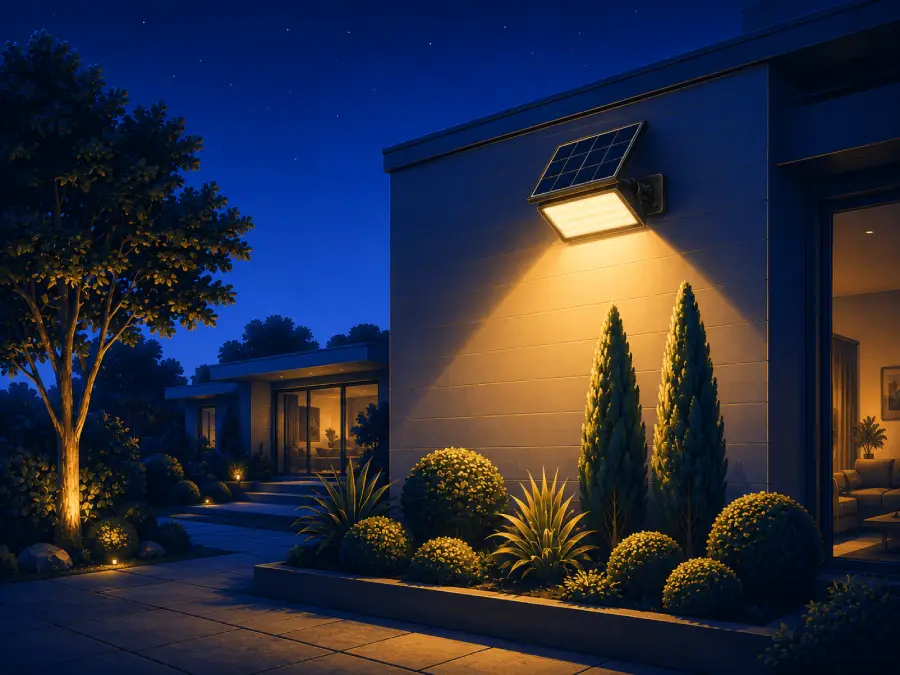
Featured Product
Our first choice when the priority is the strongest continuous output in this two-product flood-light collection.
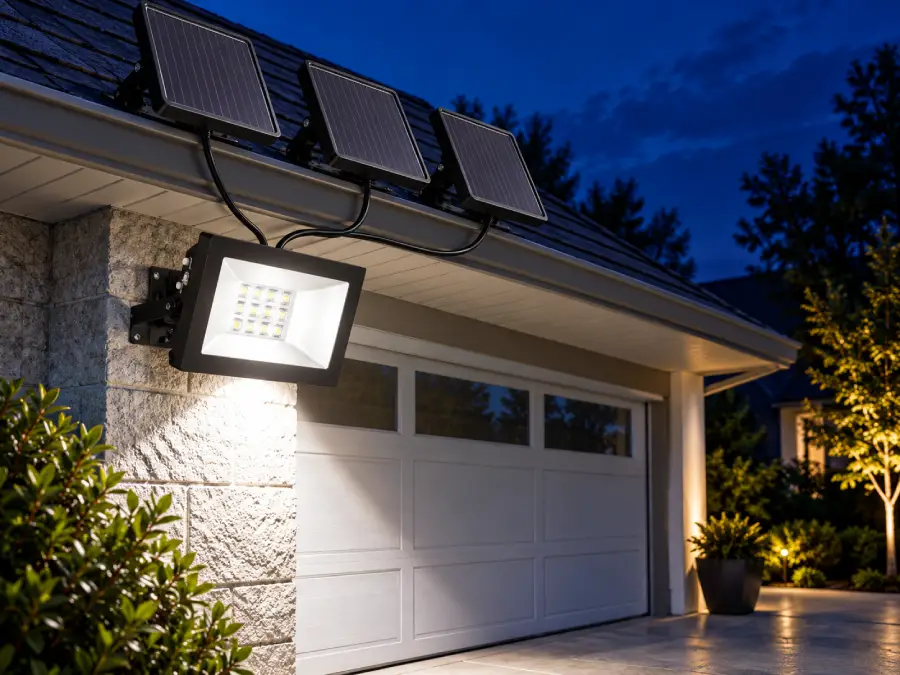
Greenlytes Pick
MAXSA Solar-Powered Ultra-Bright Flood Light
Model 40331 steps up to 240 lumens at full power and uses three separate solar panels to collect energy during the day. Its full/half brightness settings trade output for runtime, making it the stronger choice here for larger signs, driveways, patios, storage areas and other applications that need broader continuous illumination.
- Light output
- 240 / 120 lmFull / half power
- Solar collection
- 3 panelsSeparate charging panels
- Runtime
- Up to 12 hHalf-power setting
Choose the output and runtime that fit the job.
Both models provide automatic continuous light after dusk. The meaningful differences are brightness, runtime, light color and the amount of solar collection available to recharge the system.
Higher-output continuous area lighting
MAXSA Solar-Powered Ultra-Bright Flood Light
The higher-output option, with 240/120-lumen settings, three solar panels and up to 12 hours of continuous light on the half-power setting.
- Output
- 240 / 120 lmFull / half
- Runtime
- 6 / 12 hFull / half
- Solar panels
- 3Separate panels
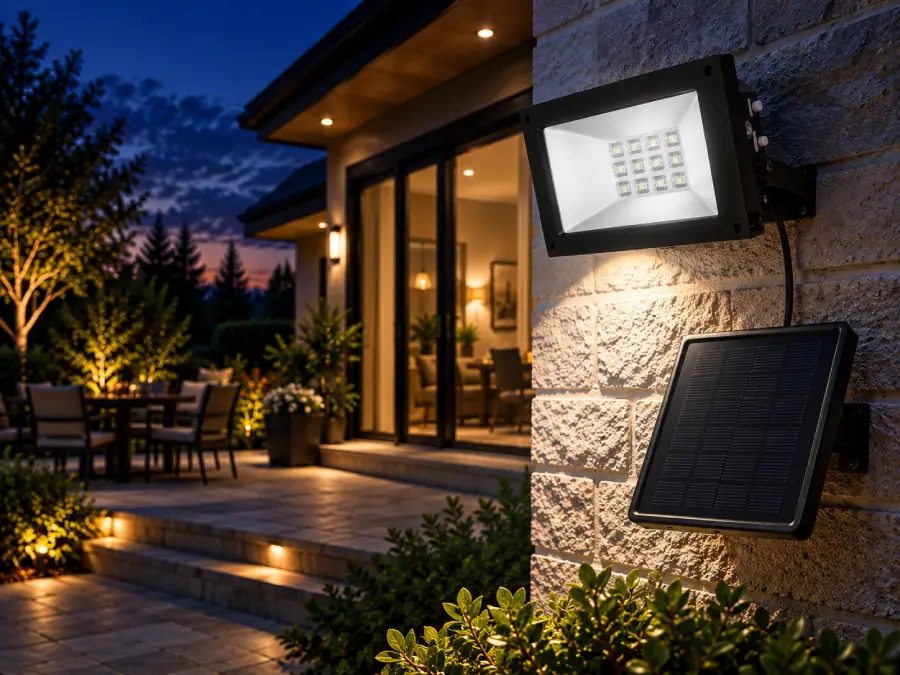
Lower-output continuous accent & area lighting
MAXSA Continuous-On Solar-Powered Flood Light
A lower-output continuous flood light with 80/40-lumen settings, a separate solar panel and a choice between warm-white and cool-white LED versions.
- Output
- 80 / 40 lmFull / half
- Runtime
- 5 / 10 hFull / half
- Light color
- 2 choices2700K / 6500–7000K
Get More from Your Solar Flood Light
Continuous lighting depends on a daily energy budget. Panel exposure, brightness setting and seasonal sunlight determine how much useful light is available after dark.
Choose the Solar Location First
The flood light can face the area that needs illumination while the separate charging panel is positioned for better sun. Treat those as two installation decisions rather than forcing both components into the same location.
Direct the Beam, Not the Glare
A flood light should illuminate the target area rather than shine directly toward windows, neighboring property or normal eye level. Final aiming is part of the installation, not an afterthought.
Use Full Power Only When You Need It
The brightness control changes the nightly energy demand. Full power is useful when stronger illumination matters; half power is the better starting point when longer runtime is the priority.
Keep the Solar Surface Clear
Dust, leaves, snow and seasonal shade can reduce the energy reaching the panel. Clean the solar surface periodically and recheck mounting hardware and cable routing.
- Better chargingPut the solar panel where the sun is stronger
- Better coverageAim the flood light at the actual target area
- More useful runtimeMatch brightness to the nightly job
- Cleaner installationKeep panels, cables and brackets intentional
Go deeper on brightness, beam coverage and seasonal solar performance.
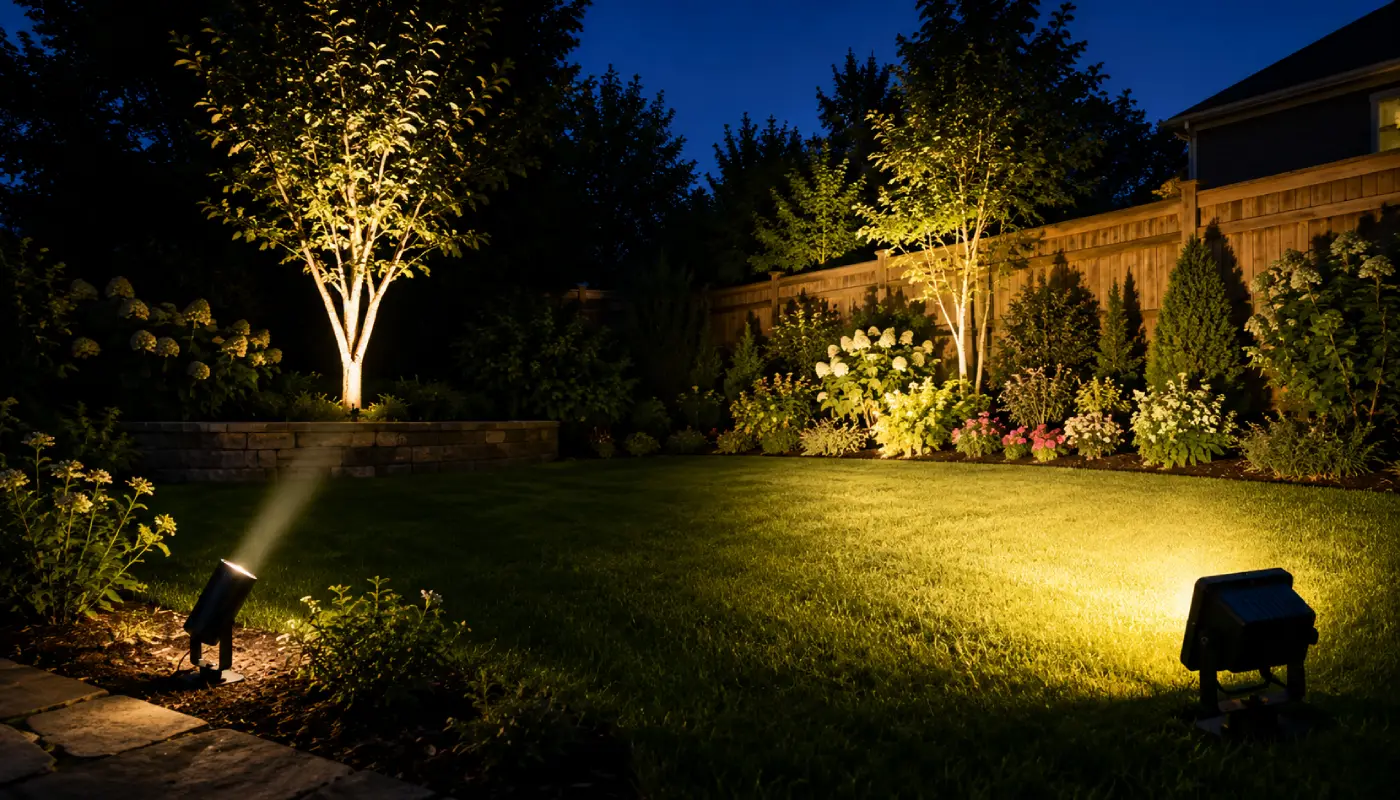
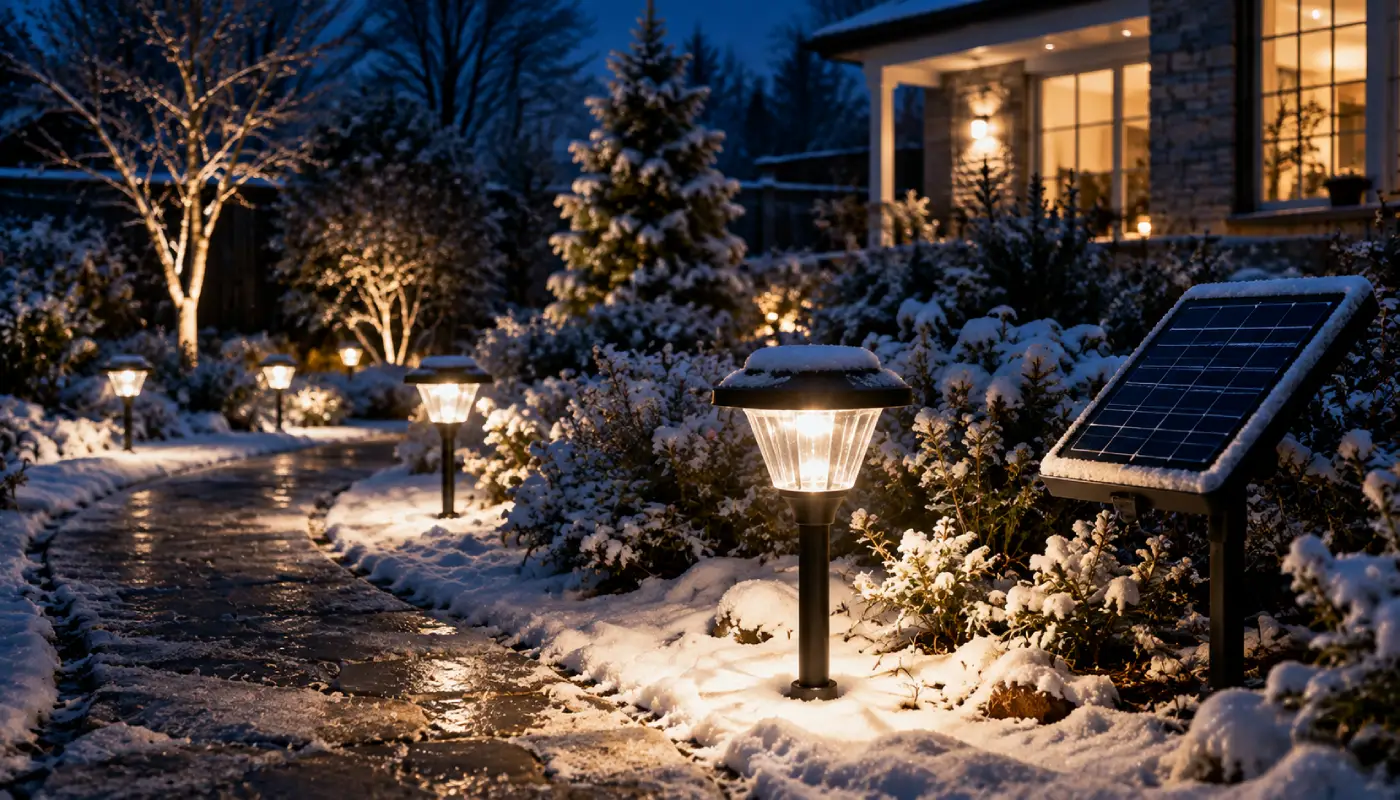
These three guides answer the questions that matter most when sizing and placing a solar flood light: how many lumens you need, how flood coverage differs from a spotlight, and what winter does to solar charging.
How I decide what belongs on Greenlytes
I base Greenlytes recommendations on documented specifications, supplier information and the practical job each light is designed to do. Product data establishes the facts; Greenlytes analysis explains what those facts mean when you are choosing between output, runtime, light color and solar-panel configuration.
Specification review
I compare the specifications that change the result in practice: lumen output, brightness modes, runtime, panel arrangement, light color, battery system and mounting.
Use-case fit
Each product needs a clear job. These lights are selected for continuous outdoor illumination rather than motion-triggered security response.
Supplier consistency
Preference goes to products backed by specifications and documentation that can be checked, compared and kept current.
Clear trade-offs
I make the difference visible: when more output is useful, when longer runtime matters and when a different lighting category would make more sense.
Ongoing review
Recommendations are reviewed when specifications, availability or the collection itself changes.
Buyer-first selection
A focused two-product collection with a clear comparison is more useful than padding the category with unrelated motion lights or spotlights.
Editorial review: Armand, Greenlytes · Updated
“For a continuous solar flood light, I start with the area that needs illumination, then ask how much output it needs and how much sun the charging system can realistically collect.”
01What is the difference between these two solar flood lights?
The Ultra-Bright 40331 is the higher-output model: 240 lumens at full power and 120 lumens at half power, with three solar panels. The Continuous-On 40329/40330 produces 80 or 40 lumens and uses a separate single-panel charging system.
The 40329/40330 also offers a color-temperature choice: 2700K warm white or 6500–7000K cool white.
02Do these solar flood lights stay on all night?
They are designed for continuous automatic operation after dusk, but actual duration depends on the model, brightness setting and energy collected during the day. The 40331 is documented for up to 6 hours at full power or 12 hours at half power. The 40329/40330 is documented for 5 hours at full power or up to 10 hours at half power when fully charged.
03How many lumens do I need from a solar flood light?
There is no universal number because distance, target size, ambient light and the way the beam spreads all affect the result. In this collection, 80 lumens is the lower-output option and 240 lumens is the higher-output option.
For a fuller explanation, see our outdoor solar lighting lumen guide.
04Where should I place the solar panel?
Place the charging panel where it receives strong, useful daylight rather than automatically mounting it beside the light. A separate panel is valuable precisely because the best place to collect sun may not be the best place to aim the flood light.
Keep the panel clear of recurring shade, leaves, snow and other obstructions that reduce charging.
05Should I choose warm white or cool white?
The Continuous-On model is available in 2700K warm white and 6500–7000K cool white. Warm white produces a softer, more residential appearance; cool white looks crisper and more utilitarian.
Color temperature changes the appearance of the light, not the documented 80/40-lumen output of that product family.
06Are these motion-activated security flood lights?
No. These products are selected here for continuous illumination after dusk rather than motion-triggered operation. If your priority is a bright response when someone approaches a driveway, door or side yard, compare our Solar Security Lights instead.
07How do I choose the right solar flood light?
Start with the size and importance of the area you need to illuminate. Then choose the output level, decide how long the light needs to remain useful, identify a strong solar-panel location and finally consider light color and mounting.
For this collection, that usually reduces the decision to a simple split: higher output and three-panel charging with the 40331, or lower output with warm/cool color choice in the 40329/40330 family.
Ready to choose your solar flood light?
Go back to the collection with the target area, required brightness, desired runtime and available solar exposure in mind. With only two focused options, the trade-off is clear.