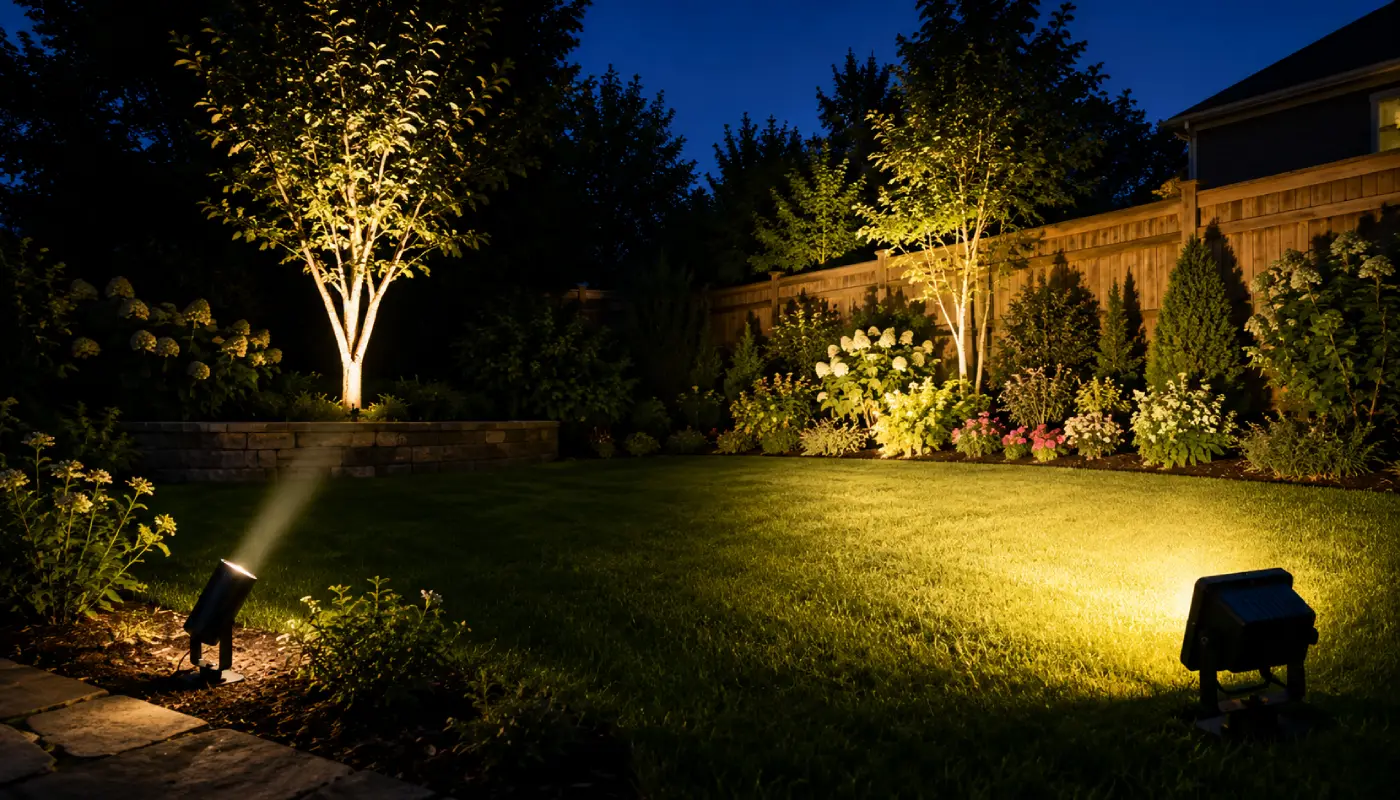
Garden accents
100–300 lumens
A typical total-output range for a small planting feature when the beam is kept on the subject.
You’re comparing two outdoor lights. One says 300 lumens. The other says 1,000. The brighter one looks like the obvious choice, but it often isn’t. This guide shows you what matters before you buy.
Tell us what you’re lighting, how large the area is and what you want the light to do. We’ll give you an estimated starting range, not a one-size-fits-all specification.
Estimated starting range
A balanced range for general outdoor visibility.
Start with the lighting category that matches the job, then compare the beam pattern, operating mode and rated output within that category.
These figures are approximate rated-output ranges for a small residential installation. Depending on the application, that output may come from one fixture or several. Beam angle, distance, spacing and operating mode can change the result substantially.
100–300 lumens
A typical total-output range for a small planting feature when the beam is kept on the subject.
200–500 lumens
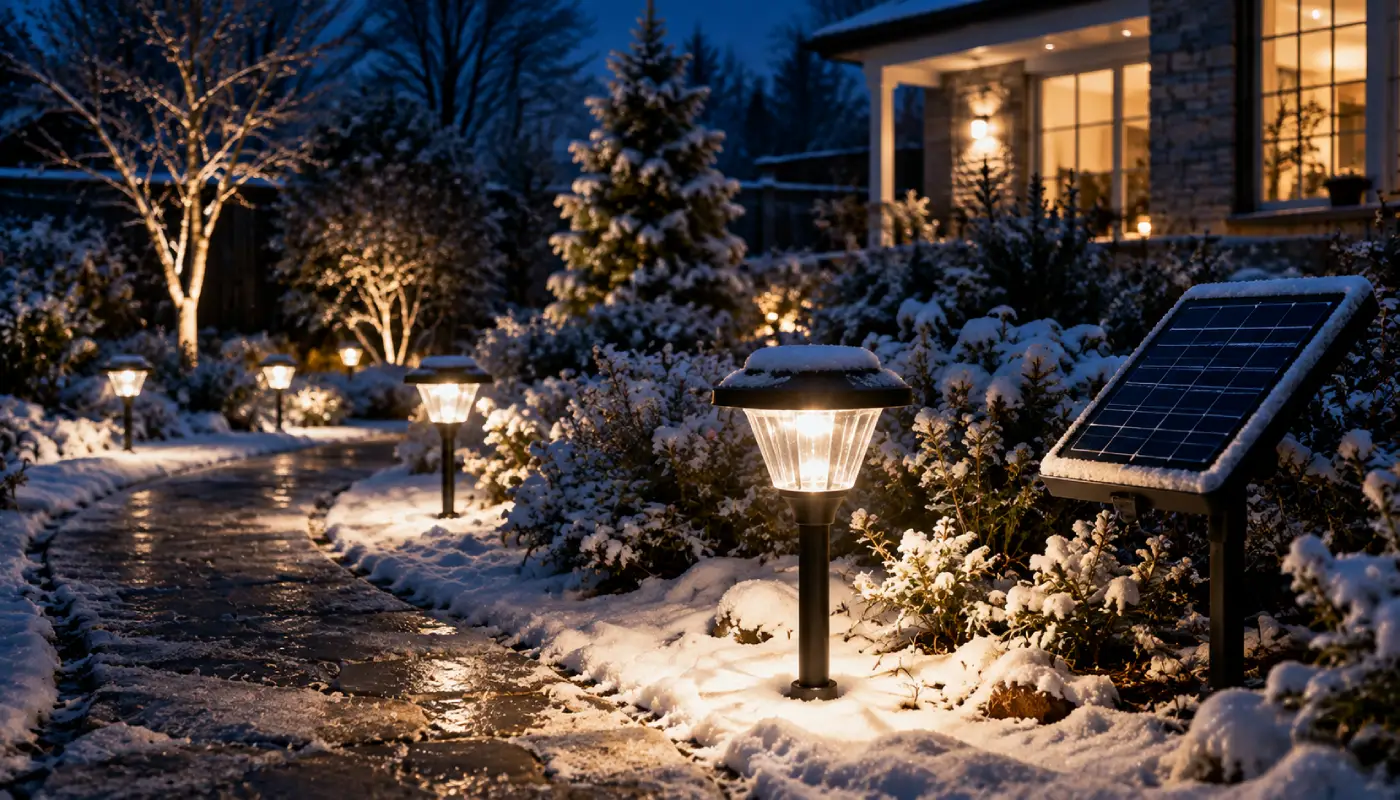
A typical combined range for a short residential path using several low-glare fixtures.
800–1,500 lumens
A practical total-output range for a residential flagpole when the beam reaches the flag itself.
1,500–3,000 lumens
A typical total-output range for a small driveway or defined vehicle entrance.
2,000–4,000 lumens
A typical total-output range for a residential entrance, garage or limited perimeter area.
Move the slider from a soft garden accent to high-output security lighting. Watch how the beam spreads, the scene brightens and the best use changes with it.
500 lumens
A common range for pathways and garden stepsEnough to make a short path or a few steps easier to see without washing out the rest of the garden.
Lumens matter, but they don’t tell you how the light will look once it’s installed. Beam angle, distance, placement and the size of the illuminated area all affect the final result.
Imagine putting one 800-lumen light beside your front door and another beneath a large tree. The number on the box is the same, but the result probably won’t be.
The door light is close to the surface it needs to illuminate. The tree light may need to travel farther, pass through branches and cover a much larger shape.
Some of that light may fall outside the area you actually wanted to see. The fixture is still producing light, but not all of it is useful for the task.
That’s the first thing to understand about outdoor lighting: lumen output tells you how much visible light is produced, not how effectively that light will reach a particular surface.
Lumens measure luminous flux: the total amount of visible light emitted by a source or luminaire.
In everyday terms, the lumen rating tells you how much visible light is available before that light is shaped, aimed and spread across the space.
A higher lumen value means more visible light is being produced. It doesn’t tell you whether the beam is narrow or wide, whether the fixture is close to the target or several metres away, or whether most of the light lands where you need it.
Lumens are therefore useful for comparing overall output, but they are not a complete measure of real-world performance.
If lumens describe the total amount of visible light produced, lux describes how much of that light reaches a given area.
One lux equals one lumen distributed over one square metre. Concentrate the same light onto a smaller area and the measured illuminance rises. Spread it across a larger area and the illuminance falls.
This explains why a narrow spotlight can make one object appear very bright while a wider floodlight with more lumens may create softer illumination across a driveway or wall.
For years, wattage gave shoppers a rough idea of brightness because traditional household bulbs had broadly similar levels of efficiency. LED lighting made that shortcut unreliable.
Watts measure electrical power input. Lumens measure visible light output. They describe two different parts of a light’s performance.
Two LED fixtures can consume a similar amount of power while producing different lumen outputs. The efficiency of the LEDs, electronics, optics and complete fixture all influence the result.
With solar lighting, high output also needs to be considered alongside battery capacity, charging conditions and operating time. A strong maximum-output figure is less useful if the light cannot maintain useful illumination for the required period.
Beam angle describes how narrowly or widely the fixture distributes its light.
Picture a solar spotlight beneath a small tree. A narrower beam keeps more of the light on the trunk and branches, creating contrast and making the tree stand out.
Put a wide floodlight in the same position and the light may spread across the tree, lawn and surrounding plants. The fixture may produce more lumens overall, but less of that output is concentrated on the tree.
Neither beam type is automatically better. A narrower beam often suits a flag, tree or sculpture, which is why solar spot lights are a sensible place to begin for focused landscape lighting. A wider beam generally makes more sense for a driveway, entrance or security area.
Hold a flashlight close to the ground and the illuminated patch is small and intense. Raise it higher and the light covers more space, but the surface usually appears less brightly lit.
Outdoor fixtures behave in a similar way. As the beam travels farther, its light is generally distributed across a larger surface. The illuminance at any one point therefore tends to decrease.
A wall light beside a doorway may provide strong local visibility with a moderate output. Mount it much higher and it may need more lumens, a more suitable beam or a different position to achieve a comparable result at ground level.
This is especially relevant for tall flagpoles, mature trees and elevated security lights, where both distance and beam control influence the result. For an upward-looking installation, compare solar flagpole lights designed for focused coverage rather than choosing a general-purpose light by lumen output alone.
A pathway is a good example. One powerful light at the end may create a bright hotspot while leaving the rest of the route unevenly illuminated.
Several lower-output fixtures placed at sensible intervals can provide more consistent guidance, softer contrast and fewer dark gaps. That distributed approach is well suited to solar post lights .
The total output may be similar, but the light is distributed closer to the places where people actually need it.
The same approach can work well around patios and garden beds. Layered lighting gives a space depth and definition, while one oversized fixture may create glare or flatten the whole scene.
When the output is excessive for the task, it can create glare, harsh contrast and a space that feels less comfortable rather than more useful.
A very bright fixture can also make the areas outside its beam appear comparatively darker. That can be uncomfortable on paths and entrances where your eyes repeatedly move between lit and unlit areas.
In gardens and patios, excessive output can remove the softer atmosphere you were trying to create. For security lighting, the goal is useful coverage and clear visibility, not simply the largest number available. Compare beam pattern and motion modes across solar security lights before comparing maximum output.
These figures describe approximate total rated output for a small residential installation. The output may come from one fixture or several, depending on the application.
| Application | Starting range | What matters most | Common mistake | Explore |
|---|---|---|---|---|
| Garden accents Plants and small features | 100–300 lumens | A controlled beam that keeps the light on the feature rather than spreading it across the whole lawn. | Choosing a wide, overly bright fixture for one small plant. | Solar spot lights |
| Pathways and steps Low-level guidance | 200–500 lumens | Consistent spacing and low glare are usually more useful than one very bright fixture. | Lighting the entire route from one end and leaving dark gaps. | Solar post lights |
| Patios Seating and outdoor living | 300–800 lumens | Layered lighting usually creates a more comfortable result than one central source. | Using security-level brightness in a space intended for relaxing. | Solar flood lights |
| Flagpoles Focused upward lighting | 800–1,500 lumens | The beam must reach the flag and cover its normal movement in the wind. | Choosing output without considering pole height or beam spread. | Solar flagpole lights |
| Driveways Vehicle access and parking | 1,500–3,000 lumens | Broad and even coverage is usually more useful than a narrow, intense hotspot. | Looking only at maximum output and ignoring the width of the beam. | Solar flood lights |
| Security lighting Entrances and perimeter areas | 2,000–4,000 lumens | Useful coverage, motion activation and controlled glare matter alongside output. | Installing an excessively bright fixture that creates glare and deep shadows. | Solar security lights |
A narrow beam, reflective surface or short mounting distance may make a lower-output fixture perfectly suitable.
Some solar lights reduce output after several hours to preserve battery life, while others reserve full brightness for motion events.
Product listings are not always equally clear about measured fixture output, LED output or maximum operating mode.
Most disappointing installations aren’t caused by one bad specification. They happen when the light, beam and location don’t suit one another.
A larger lumen number can look reassuring, but excessive output may create glare, flatten the scene and make nearby unlit areas appear even darker.
Do this instead: Choose the lowest practical output that gives you the visibility or effect you actually need.
Lumens describe total visible output, but beam angle decides whether that light is focused onto one object or spread across a large area.
Do this instead: Use a narrower beam for trees, flags and details. Choose a wider beam for driveways, walls and broad security coverage.
One powerful light often creates a bright hotspot surrounded by uneven coverage, deep shadows or long unlit gaps.
Do this instead: For paths, patios and larger gardens, distribute several lower output lights where illumination is genuinely useful.
A fixture that looks strong close to the ground may appear much less intense when mounted high on a wall or aimed at a tall tree or flagpole.
Do this instead: Consider mounting height and distance before choosing output. More distance may require more light, a tighter beam or both.
A solar light may advertise an impressive maximum output while using that level only briefly, only after motion is detected or only when the battery is fully charged.
Runtime, charging conditions, battery capacity and dimming behaviour all affect how useful the light will be over an entire evening.
Do this instead: Check the operating modes and expected runtime alongside the lumen figure. A lower but sustained output may be more useful than a short-lived maximum setting.
Now that you know how lumen output, beam angle and placement work together, the next step is choosing the right lighting family for your space.
 01
01
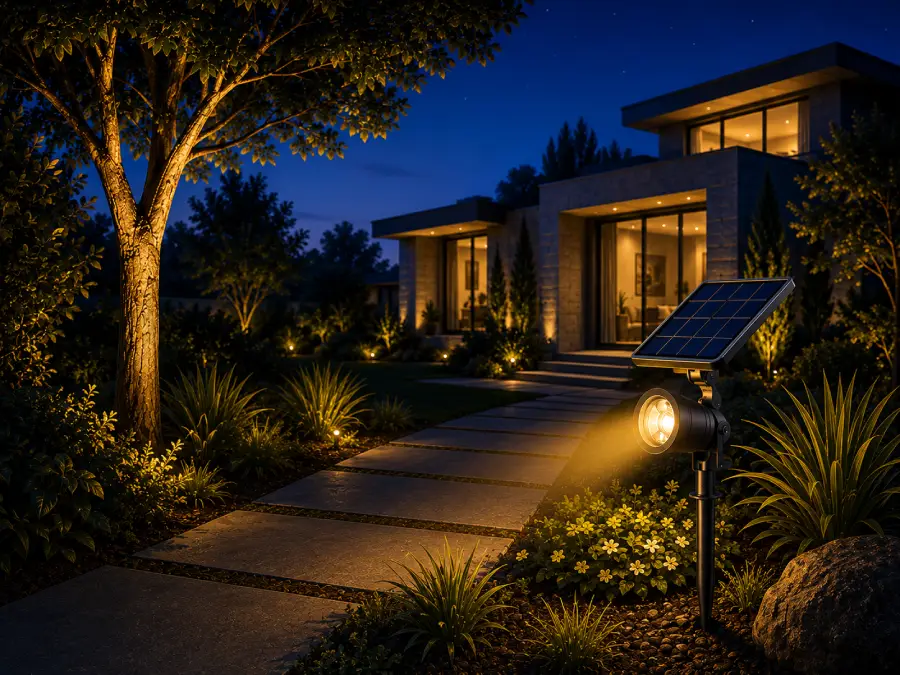
Choose this category when you want a focused beam for trees, plants, walls, sculptures or architectural details.
Explore solar spot lights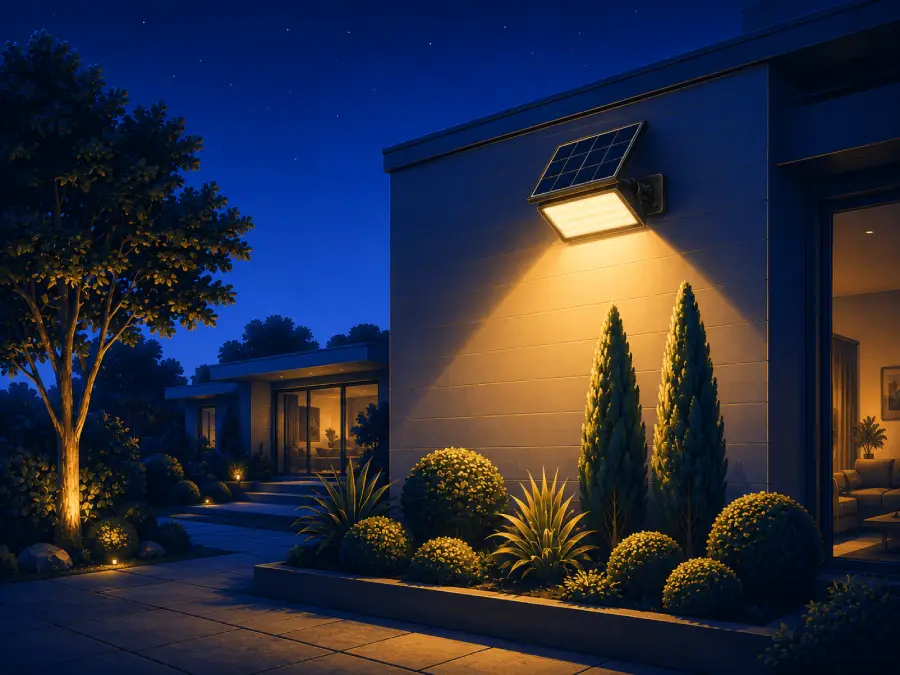 02
02
Choose this category when consistent high-level illumination matters more than one dim source of light.
Explore solar flood lights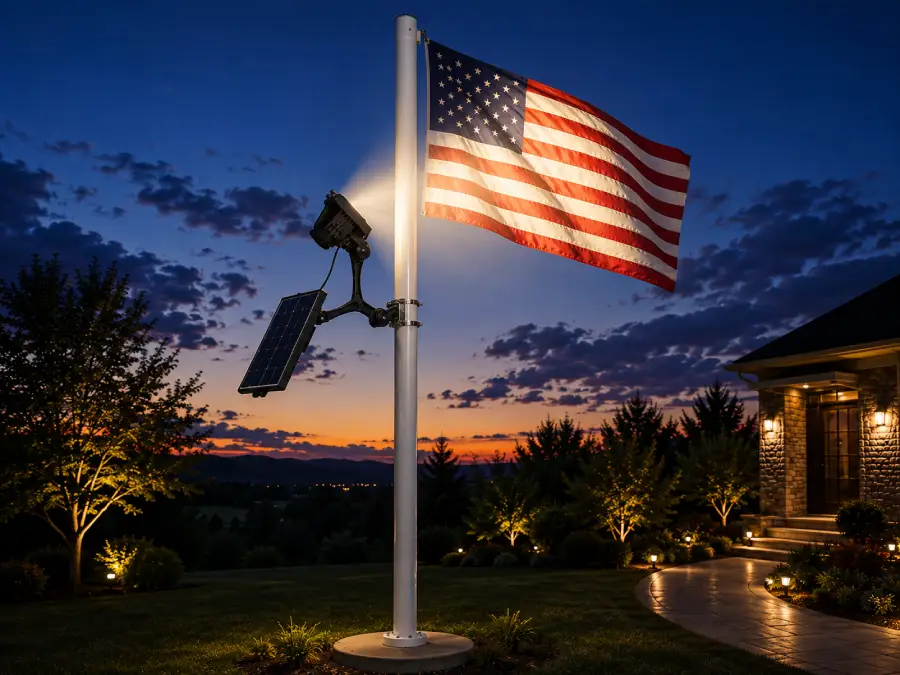 03
03
Choose this category when the beam must travel upward and cover the normal movement of a flag in the wind.
Explore solar flagpole lights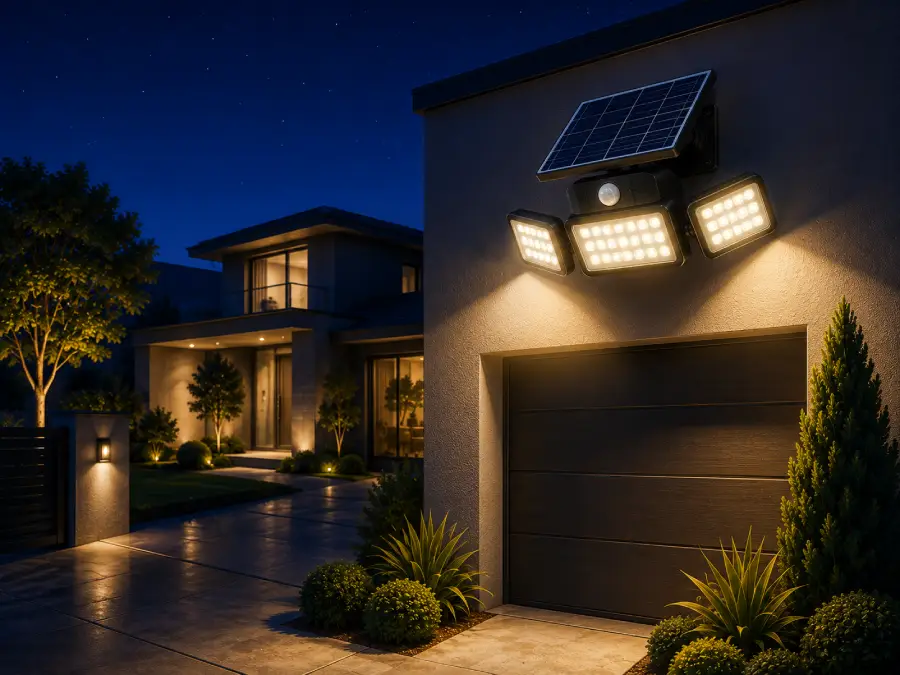 04
04
Choose this category when broad visibility, motion activation and reliable coverage matter more than decorative ambience.
Explore solar security lightsThese answers give practical starting points. The right result still depends on the fixture, beam, distance, spacing and operating mode.
Lumen output matters, but it cannot tell you where the beam lands or how evenly the light covers the space.
Return to the calculatorYes, 300 lumens can be enough for a small tree, planting bed or decorative feature when the light is close and the beam is focused. It is not a general recommendation for an entire garden.
A wide beam spreads the same output across more space, so the illuminated feature will usually appear less intense.
One thousand lumens may be enough for a small entrance, parking point or narrow driveway section. It may be insufficient when one fixture must cover a long or wide driveway.
Beam width, mounting position and the number of fixtures matter as much as the total rated output.
Around 200 to 500 lumens of combined rated output is a practical starting range for a short residential path. The total may be distributed across several low-output fixtures.
Even spacing and low glare usually matter more than concentrating all the output at one end of the path.
Explore solar post lightsA small tree may need only a few hundred lumens when the fixture is close and the beam is narrow. A taller or wider tree may need more output, a tighter beam or several lighting positions.
The light-to-canopy distance and the shape of the beam are more useful than a universal lumen target.
Explore solar spot lightsAround 800 to 1,500 lumens of total rated output is a useful residential starting range. Pole height, beam angle and the normal movement of the flag can change what works.
The beam should reach and cover the flag rather than only illuminating the lower part of the pole.
Explore solar flagpole lightsAround 2,000 to 4,000 lumens of total rated output can be a practical starting range for a residential entrance, garage or limited perimeter area. Larger sites need a coverage plan rather than a single generic number.
Motion detection, beam spread, fixture position and glare control should be assessed alongside maximum output.
Explore solar security lightsNot always. Some solar lights reduce output after several hours, use a lower standby level or reserve maximum brightness for motion events.
Available sunlight, season, battery state, temperature and the selected operating mode can all affect late-night performance.
Compare beam angle, coverage, mounting height, operating modes, expected runtime, battery capacity, solar-panel placement and installation method.
These details determine whether the rated output will reach the right area and remain useful for the period you need.