Shorter days
Less time to recharge
A winter day may provide far fewer useful charging hours than the same location receives in summer.
Yes, most outdoor solar lights can keep working through winter. The real challenge is usually collecting enough daylight to power longer nights, not the fact that the air is cold.
Solar panels still produce electricity in cold weather. Winter performance usually drops because days are shorter, sunlight is weaker or more frequently blocked, and the battery has more hours of darkness to cover.
Less time to recharge
A winter day may provide far fewer useful charging hours than the same location receives in summer.
Lower input from daylight
Solar cells can use diffuse daylight, but heavy cloud and deep shade reduce the energy available for the battery.
Blocked panel means little charging
A covered or dirty panel may receive daylight but cannot use it effectively until the surface is clear.
Less available power and capacity
Low temperatures can temporarily reduce battery performance, although the effect depends on the chemistry and product design.
Winter sun sits lower in the sky
A location that was sunny in July may be shaded by a wall, roofline or tree when the winter sun is lower.
A solar light is a small energy system: the panel collects energy, the battery stores it and the LEDs spend it after dark. Winter can affect every stage, but not always in the way people expect.
A properly designed outdoor solar light can continue charging and switching on during winter. What often changes is how bright it remains and how long it stays on.
The solar panel does not need hot weather. It needs light. In fact, photovoltaic modules can operate efficiently in cold conditions. The difficulty is that winter often combines fewer daylight hours, a lower sun angle, heavier cloud, more shade and occasional snow cover.
At the same time, the light must power a longer night. It is therefore collecting less energy on many days while being asked to operate for more hours.
In winter, the battery has less time to recharge during the shorter day, while the light may need to operate for more hours during the longer night.
A light that receives a full summer charge may run until morning. In December, the same panel may collect less energy before sunset, especially if the day is cloudy.
Better products respond by reducing output, switching to a low-power standby mode or reserving full brightness for motion. That is not necessarily a fault. It may be the control system protecting the remaining charge.
Clouds do not always remove daylight completely. Solar cells can still use diffuse radiation scattered through the sky.
The problem is quantity. Thick cloud can reduce the direct solar energy reaching the panel, so the battery may receive only a partial charge. One cloudy day may make little difference. Several dull days in a row can leave the light noticeably dimmer or shorten its operating time.
A separate solar panel can help because it can be positioned in the sun even when the light itself needs to sit beside a shaded path, wall or entrance.
A clear panel can generate electricity in a snowy landscape. A panel hidden beneath snow cannot receive useful sunlight.
Even a thin opaque layer can sharply reduce charging. Snow around the fixture may also place physical stress on small plastic stakes, shades and joints.
Clear loose snow with a soft cloth or brush only when the product can be reached safely. Do not scrape the panel with metal or use hot water, which may damage the surface or create a rapid temperature change.
Low temperatures can temporarily reduce the power and usable energy available from rechargeable batteries.
The exact effect depends on the chemistry, the state of charge and the electronics built into the product. Solar lights may use nickel-metal hydride, lithium-ion or other rechargeable cells, so one universal temperature limit would be misleading.
Check the manufacturer’s operating-temperature range. If the light uses a replaceable battery, use only the chemistry and specification approved for that product.
Do not assume a dim winter evening proves permanent damage. If normal performance returns after brighter weather or a warmer period, the problem was probably limited charging or temporary cold-weather battery behaviour.
The sun follows a lower path across the sky in winter, so buildings, fences and evergreen trees cast longer shadows.
A panel that received strong midday sun in June may sit behind a roofline or wall in December. Bare branches can let more light through, but dense evergreens often create the opposite problem.
Check the panel at several times during a winter day rather than judging the location from summer conditions. Moving it a short distance can make a larger difference than buying a brighter lamp.
Most winter problems can be improved without replacing the entire light.
Keep the panel clean and uncovered. Move it away from winter shade. Use a lower brightness or motion mode when available. Give a new light several clear days to complete its initial charge. Replace an ageing battery only when the product is designed for battery replacement.
For functional areas, choose a product that states its operating modes, expected runtime and weather rating clearly. A separate, adjustable panel is especially useful where the light and the best charging position are not the same place.
Not automatically. Lights rated for year-round outdoor use can normally remain outside within the manufacturer’s stated temperature and weather limits.
Storage makes sense for decorative products with fragile stakes, glass shades or poor weather protection, especially where they may be buried by snow or struck during clearing. It can also protect products that are not needed until spring.
Before storing a light, follow its instructions. Clean and dry it, switch it off if the product provides a switch, and avoid leaving a deeply discharged rechargeable battery unused for a long period.
Several winter conditions can produce the same symptom: a dim light or shorter runtime. The useful fix depends on the real cause.
| Winter condition | Likely effect | What to check | What usually helps | Urgency |
|---|---|---|---|---|
| Shorter daylight Seasonal and expected | Less energy collected before sunset | Whether runtime falls gradually as days shorten | Use a lower mode or motion activation | Normalwinter effect |
| Heavy cloud Reduced solar radiation | Partial charging and earlier switch-off | Performance after several dull days | Improve panel exposure and allow a clear-day recharge | Monitorover several days |
| Snow-covered panel Physical obstruction | Very little or no charging | Whether the panel surface is visible | Remove loose snow safely with a soft tool | Actwhen safely reachable |
| Low temperature Battery-dependent | Temporarily lower available power or capacity | The product’s operating-temperature range | Use the approved battery and respect the manual | Checkproduct limits |
| Winter shade Lower sun angle | Repeated undercharging despite clear weather | The panel at midday during winter | Move or tilt the panel toward a clearer sky view | Correctthe location |
| Dirt or leaf debris Preventable obstruction | Gradually reduced charging | Dust, bird deposits and wet leaves | Clean gently according to the product instructions | Maintainwhen needed |
A single dark day may produce a short runtime without indicating any fault.
Snow, leaves and dirt are simpler causes than a failed rechargeable cell.
Battery chemistry, sealing and operating limits vary between solar lights.
Most winter complaints begin with the right symptom but the wrong diagnosis. Check the charging conditions before replacing the light.
Photovoltaic cells still generate electricity in cold conditions. The usual winter problem is reduced or blocked sunlight.
Do this instead: Check daylight exposure, shade and panel cover first.
A partial charge can shorten one evening without indicating a permanent battery or panel failure.
Do this instead: Reassess performance after a clear charging day.
The light may be outdoors and weather-resistant, but the charging surface still needs access to daylight.
Do this instead: Keep the panel clear using a safe, non-abrasive method.
The lower winter sun can place a once-sunny location behind a wall, fence, roofline or evergreen tree.
Do this instead: Inspect the panel’s real winter sun exposure around midday.
Solar-light charging circuits are designed around a particular battery chemistry, voltage and capacity range. A battery can fit the compartment and still be unsuitable.
Do this instead: Use only the replacement type specified by the manufacturer, and replace batteries only when the product is designed to be opened safely.
For winter use, prioritize clear weather ratings, useful operating modes and a solar panel that can be positioned in dependable light.
 01
01
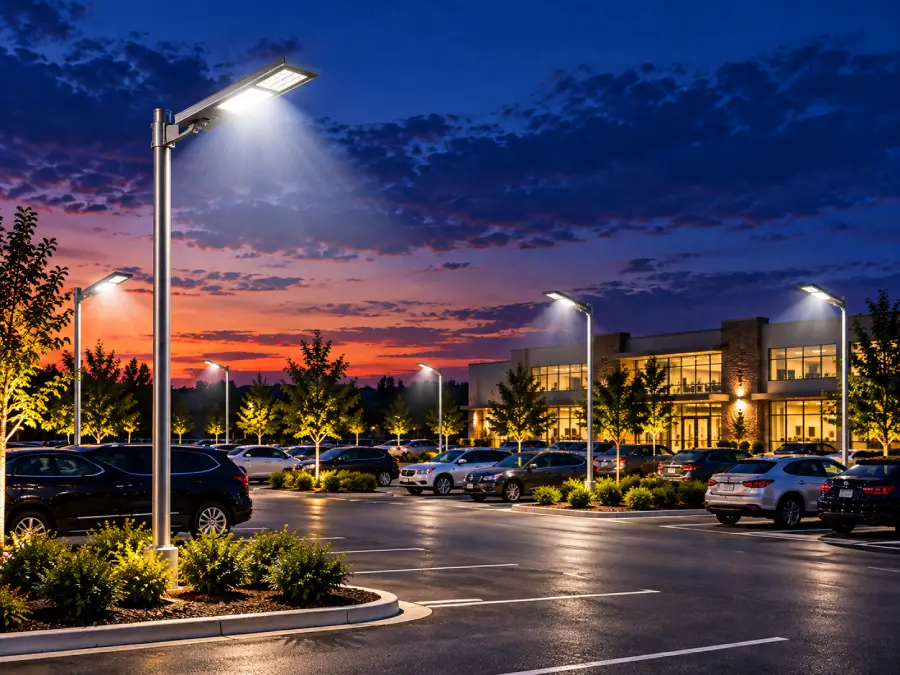
Look for stable bases, low-glare output and a panel position that will not be buried or shaded during winter.
Explore solar parking lot lights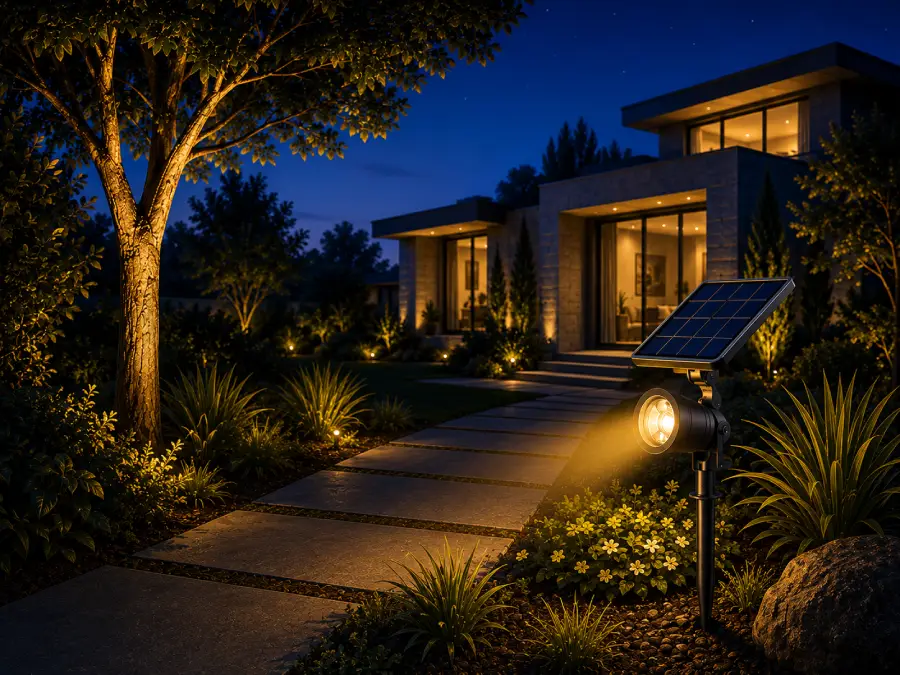 02
02
Adjustable spotlights are useful when the panel and the subject need different positions for good winter exposure.
Explore solar spot lights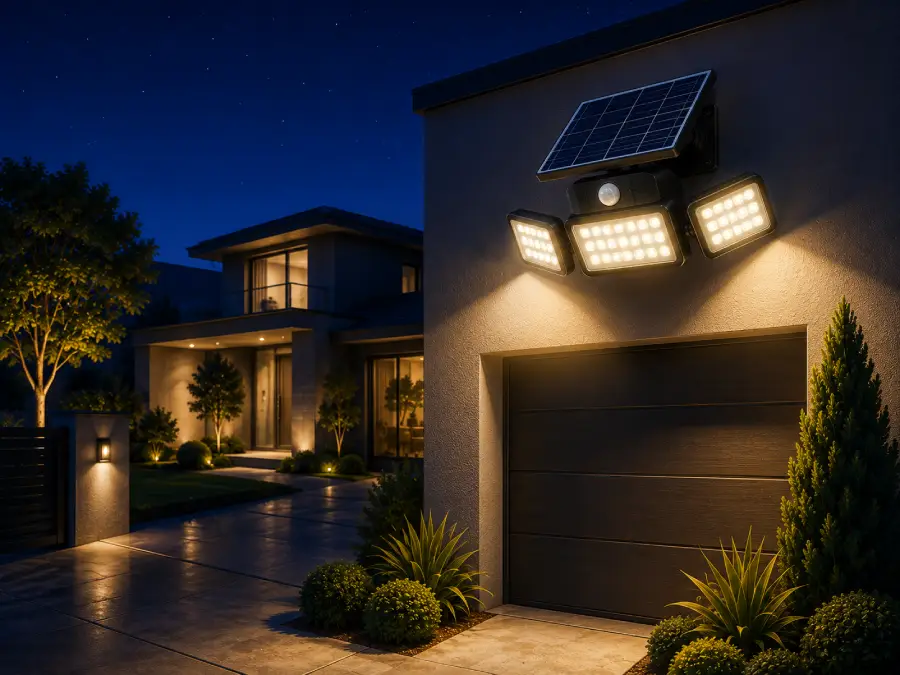 03
03
Motion activation can preserve stored energy by using maximum output only when someone enters the detection area.
Explore solar security lights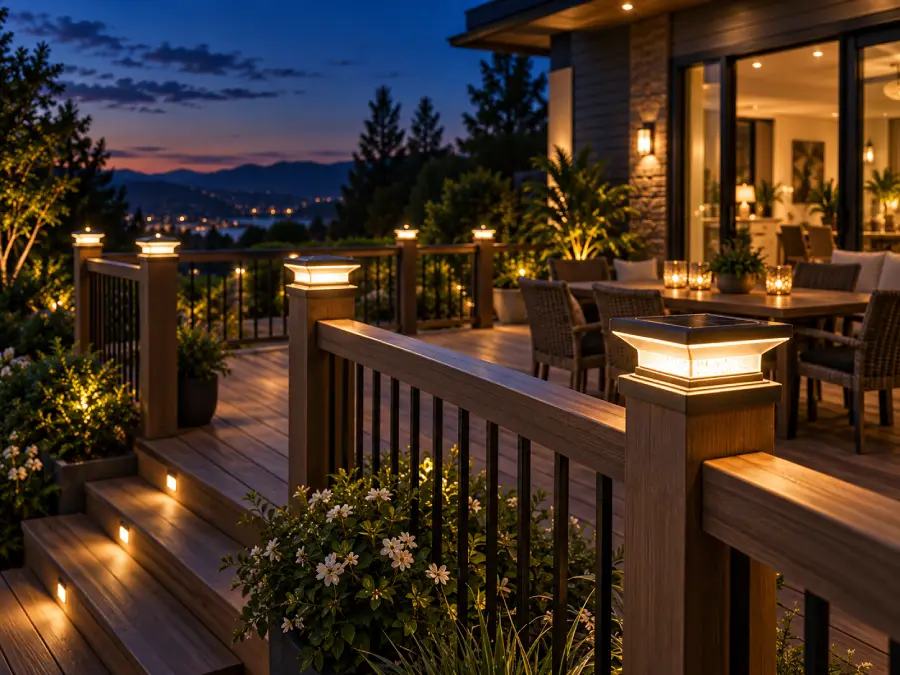 04
04
Choose durable housings and a panel surface that remains accessible for cleaning after snow or leaf buildup.
Explore solar post lightsThese answers cover normal residential solar lights. Always follow the temperature, battery and maintenance instructions for the specific product.
Less light reaches the panel, while longer nights demand more energy from the battery.
Return to the quick answerYes. Solar lights can charge and operate in winter, but many will run for fewer hours because days are shorter and the battery may receive less energy.
They can. Solar cells can use diffuse daylight, but thick cloud usually reduces the available solar energy. Charging may therefore be slower and incomplete.
Outdoor-rated lights can normally remain outside within their stated weather and temperature limits. However, accumulated snow can block the panel and place stress on fragile stakes, shades or joints.
Not if they are designed for year-round outdoor use and remain within the manufacturer’s operating limits. Storage is useful for fragile decorative lights or products likely to be buried, struck or damaged during snow clearing.
Common causes include shorter charging time, repeated cloudy days, winter shade, a dirty or snow-covered panel, a reduced power mode or an ageing battery.
There is no universal runtime. It depends on the day’s solar input, battery condition, brightness setting and control mode. A light may run much less than its advertised maximum after a short or cloudy winter day.
Cold can temporarily reduce battery power and usable capacity. Whether freezing conditions cause damage depends on the battery chemistry, product design and permitted temperature range. Follow the manufacturer’s specification.
Keep the panel clean and uncovered, move it out of winter shade, use an energy-saving or motion mode, and allow a full clear-day charge. Replace the battery only with the approved type when the product supports replacement.